 Oluwatosin Enesi
Award-winning filmmaker, director, and scriptwriter Ifeanyi Barbara has opened up about her decade-long journey in Nollywood, sharing insights into her personal and professional evolution as well as the industry’s ongoing transformation.
In an exclusive interview which was conducted by Pelumi Bolawa for TheCable Lifestyle, Barbara recounted her bold leap from a lucrative career in the oil sector into the uncertain world of film. “2025 marks my 10th year in Nollywood,” she said, reflecting on the many challenges she’s faced — from enforcing contracts in her early years to managing writers’ rooms as a show creator and head writer.
“The first challenge was getting paid,” she recalled. “I remember writing for someone and struggling to get my money. That experience made me step back from Nollywood for a while.”
Barbara noted the drastic economic shift she experienced when she left the oil sector, something her mother questioned at the time. “She thought I was crazy for leaving a well-paying job, especially with my multiple degrees. But over time, I began to find my footing and refine my storytelling abilities.”
Determined to improve, Barbara invested in her craft by taking masterclasses and learning from global and local storytelling experts. “I watched YouTube tutorials and signed up for courses because I knew there was so much more to learn. Every new challenge pushed me to become better.”
As she celebrates her second Africa Magic Viewers’ Choice Awards (AMVCA) nomination — and her first solo recognition — Barbara says the honour is deeply validating. “I feel proud of myself, especially at a time when Nollywood is still trying to find its footing again,” she said. “It’s exciting and validating to be acknowledged. It tells me that the work is being seen.”
Speaking on the evolving landscape of Nollywood, Barbara stressed the importance of embracing all available distribution platforms — from cinemas to streaming platforms and YouTube.
“No one platform is more important than the other. Every outlet that gives Nollywood stories visibility is valid,” she said. “While profitability matters, storytelling should be at the core of our industry. And yes, Nollywood does have a storytelling problem, but it’s not insurmountable. We’re not doing enough to fix it, but we can.”
She urged filmmakers to remain committed to learning and improvement, noting that growth is both possible and necessary. “Some people don’t understand storytelling deeply enough. But we have made progress. We’ve moved from cringeworthy fight scenes to action sequences that we can be proud of. That shows potential.”
On the growing trend of investing in film villages — with industry giants like Funke Akindele taking the lead — Barbara believes it’s a welcome development. “Film villages, if done right, can be game-changers. Just like Universal Studios or Tyler Perry’s studios, they can become one-stop production hubs where crews work without distractions.”
She, however, cautioned against limiting their scope. “It would be counterproductive if they only catered to epic film settings. There should be variety — city, village, modern, rustic — everything in one space. If well-developed, they’ll boost production quality and reduce logistical headaches.”
As Nollywood continues to evolve, Barbara says the focus must return to what truly matters: good storytelling. “Nobody sets out to make a bad film. But we have to be honest about our gaps and committed to fixing them. Our stories are our strength — we must learn to tell them better.”

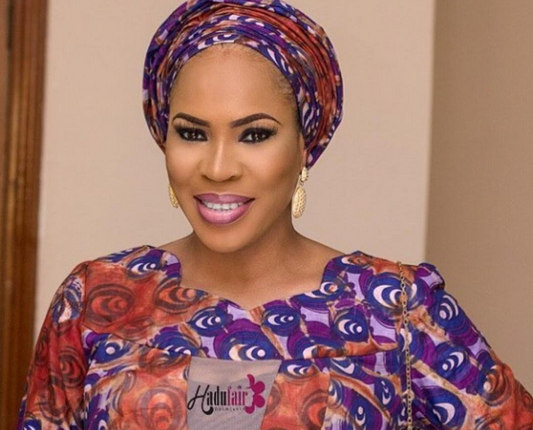
FATHIA READY FOR LOVE
 Our Reporter
- March 30, 2026
 Our Reporter
Nollywood actress Fathia Balogun has offered insight into her relationship with her ex-husband and her openness to finding love again. The actress, who recently mourned the loss of her mother,…