 Broadcasters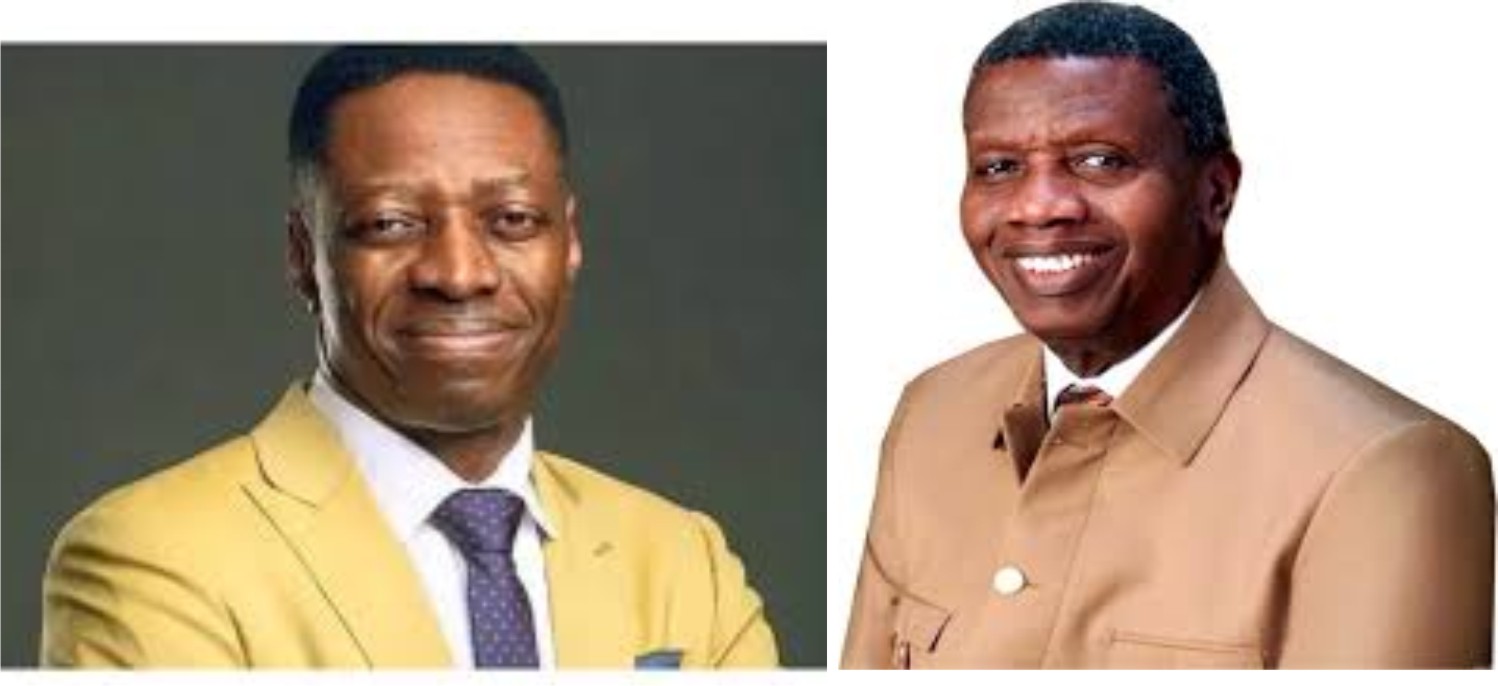
The Apostle John was blunt: “If anyone has material possessions and sees a brother or sister in need but has no pity on them, how can the love of God be in that person? Dear children, let us not love with words or speech but with actions and in truth” (1 John 3:17–18).
It is a verse that rarely finds its way into Sunday sermons in Nigeria. The pulpit is often louder on prosperity, quieter on provision. Yet the Word insists that love is not prayer alone, not prophecy alone, but bread on the table, school fees paid, hospital bills settled.
The Nigerian Church and Its Contradictions
Consider the paradox. Churches build universities with tithes and donations, yet many members who funded them cannot afford tuition. Auditoriums rise like cathedrals, pastors drive convoys of luxury cars, while widows in the pews struggle to feed their children. The gap between scripture and practice is glaring.
Jesus Himself fed the multitudes before preaching. The Acts of the Apostles records that “there were no needy persons among them” (Acts 4:34). Love was pragmatic, not ornamental.
Shining Examples in Nigeria
While many have remained silent, a few have answered the call. Here are two such examples, not the only ones, but certainly worthy of note:
• PASTOR E. A. ADEBOYE (RCCG): At Redemption Camp conventions, RCCG has long made provision to feed attendees, with kitchens serving thousands. Historical accounts recall how Chief Michael Ibru once donated fish to avert a food crisis at the first convention. Beyond feeding, RCCG’s Redeemer’s University is reported to run a scholarship scheme for indigent students, alongside fee discounts for staff children, pastors’ children, and some indigent members, a gesture that reflects the spirit of 1 John 3:17 in practical form.
• Pastor Sam Adeyemi (Daystar Christian Centre): His ministry has emphasized empowerment. Daystar has hosted job fairs, skill‑building programs, and financial literacy workshops that directly uplift members, embodying love in action rather than rhetoric.
Global Exemplars
Elsewhere, pastors have modeled the same principle.
• Pastor Rick Warren (USA): Founder of Saddleback Church in California, Warren has combined preaching with pragmatic compassion. His church operates one of the largest food distribution networks in Southern California, ensuring struggling families receive groceries weekly. Globally, his PEACE Plan mobilizes churches to fight poverty, disease, and illiteracy, embodying 1 John 3:17 in action
• Pastor Dag Heward-Mills (Ghana, global reach): Through Healing Jesus Campaigns, his ministry combines evangelism with medical and material support, ensuring that preaching is accompanied by tangible care.
The Hard Question
What does 1 John 3:17 say to churches that build universities but exclude the poor from entry? What does Matthew 25:40 mean for pastors who live luxuriantly while their congregants beg for rent? Jesus said the mark of His true followers will be the love they show one another. Love is not the grandeur of the auditorium but the bread shared in the fellowship hall.
A Call to Self‑Examination
No pastor can meet every need. Only Jehovah Jireh provides fully. Yet God raises helpers, and pastors are called to be conduits of His provision. This is not judgment but invitation: pray to the Holy Spirit to reveal where love has been withheld, and make amends.
The church must rediscover the radical simplicity of Jesus: feeding, healing, and loving in truth. In the end, the true measure of ministry is not the size of the tithe envelope but the care extended to the least among us.