
 Our Reporter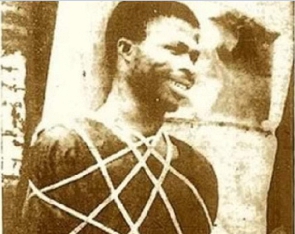
Who Was “Dr.” Oyenusi?
Despite the title “Dr.,” Ishola Oyenusi was not a medical professional. The nickname reflected a mix of notoriety and self-styled bravado. He became infamous in the late 1960s and early 1970s for a string of high-profile armed robberies, particularly in Lagos.
His criminal activities reportedly began around 1965 and escalated over time, culminating in increasingly bold operations.
The Confession: “My Life by Dr. Oyenusi”
The Sunday Times feature presented a detailed account of his criminal exploits, including:
A major 1967 bank robbery in Lagos, where approximately £14,000 was stolen
Multiple armed robberies carried out with his gang
Insights into the organisation and execution of these crimes
The article served both as a sensational narrative and a cautionary tale, giving readers a rare inside look at the mindset of a criminal figure.
Arrest and Final Crime
Oyenusi’s downfall came after a robbery on March 27, 1971, at the WAHUM factory in Ikeja. This operation led to his capture, marking the end of his criminal run.
His arrest was widely publicised, reflecting growing public concern over:
Urban crime
Armed robbery syndicates
Security challenges in post-civil war Nigeria
Execution at Bar Beach
On September 8, 1971, Ishola Oyenusi and members of his gang were executed by firing squad at Bar Beach.
At the time, public executions were used by authorities as a deterrent against crime. These events were:
Openly conducted and widely attended
Covered extensively by the media
Intended to send a strong message about law enforcement
Media, Crime, and Public Perception
The publication of Oyenusi’s “last testament” highlights the role of newspapers like the Sunday Times in:
Documenting major criminal cases
Shaping public opinion
Blending journalism with dramatic storytelling
Such coverage often blurred the line between information and sensationalism, but it also ensured that these events became part of Nigeria’s historical memory.
Advertising and Everyday Life
Interestingly, the same newspaper page also featured an advertisement for “PRIMAL,” an anti-malaria drug. This juxtaposition reflects how newspapers of the era combined:
Serious national issues (crime, justice)
Everyday consumer needs (health products)
It provides a fuller picture of daily life in Nigeria at the time.
Historical Significance
The story of Oyenusi remains significant because it:
Highlights the challenges of law enforcement in the 1970s
Reflects the use of public punishment as deterrence
Demonstrates the power of media in constructing national narratives around crime
“The Last Testament of Dr. Oyenusi” is more than a newspaper feature—it is a powerful historical document. Through the story of Ishola Oyenusi, it reveals the intersection of crime, justice, and media in Nigeria’s past, offering insight into how society responded to lawlessness and sought to maintain order.
Sources
Sunday Times (August 29, 1971The Last Testament of Dr. Oyenusi (1971): Crime, Media, and Public Justice in Nigeria


 Broadcasters