 Broadcasters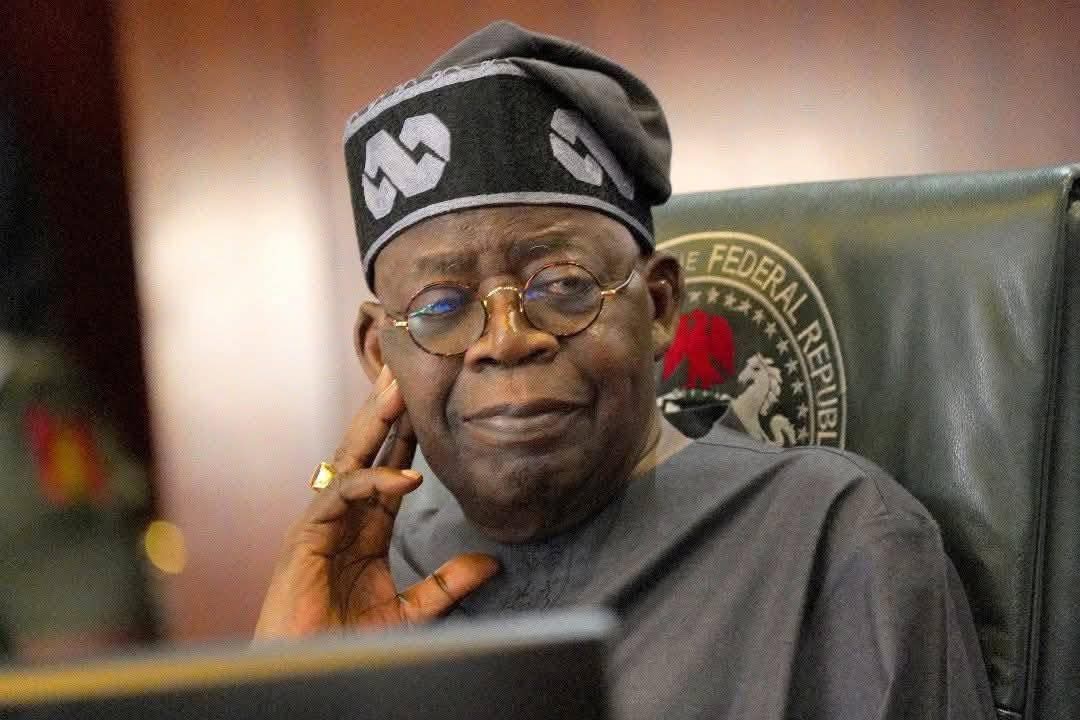
– A POST VISIT ASSESSMENT OF PBAT’s UK VISIT
1• GEOPOLITICAL REPOSITIONING IN A MULTI-POLAR WORLD: INCREASING INFLUENCE OF CHINA AND LATELY, FRANCE
Nigeria’s increasing engagement with France and China has not gone unnoticed.
Britain, like much of the West, is adjusting to a world no longer dominated by a single power bloc. China’s infrastructure diplomacy and France’s deepening security and economic footprint in West Africa have created a competitive environment.
Nigeria, as Africa’s largest economy and most populous nation, is too important to drift away from Britain. This visit is, in essence, Britain saying:
“We must remain relevant in Nigeria’s future.”
2• ECONOMIC IMPERATIVES IN A POST-BREXIT ERA
Since Brexit, the UK has been aggressively redefining its global trade relationships. To this end, Nigeria represents:
a• A large consumer market
b• A gateway to West Africa
c• A source of energy and natural resources
d• A destination for British investment
With economic pressures at home, Britain is actively seeking growth partnerships. Nigeria fits squarely into that strategy.
3• NIGERIA’S GROWING REGIONAL AND GLOBAL INFLUENCE
Nigeria’s role in Africa, economically, politically, and culturally, is expanding.
Under President Tinubu, and especially after the lackluster performance of Buhari, there is a renewed push toward:
a• Economic reform
b• Regional leadership influence within ECOWAS
c• Strategic positioning in global diplomacy
Britain recognises that engagement with Nigeria is not optional, it is essential.
4• SECURITY AND STABILITY IN WEST AFRICA
West Africa is currently facing significant instability, from coups in the Sahel to terrorism and economic disruption. Britain has strategic interests in:
a• Counter-terrorism cooperation
b• Maritime security in the Gulf of Guinea
c• Overall Regional stability
Nigeria is central to all three, and strengthening ties is as much about security architecture as it is about diplomacy and trade.
5• ENERGY SECURITY AND TRANSITION
As Europe continues to rethink its energy sources, especially after disruptions linked to global conflicts, Nigeria’s oil and gas reserves become increasingly relevant.
At the same time, Nigeria is also a potential partner in:
a• Gas exports (as a transition fuel)
b• Renewable energy investments
c• Very valuable rare earth minerals that Nigeria has in large substance
For Britain, this is both short-term necessity and long-term strategy.
6• THE DIASPORA FACTOR
The Nigerian diaspora in the UK is one of the most influential African communities in Britain. This community:
a• Contributes significantly to the UK economy
b• Plays roles in politics, health and medicals, business, and academia
c• Serves as a strong bridge between both nations
Strengthening bilateral relations also reinforces domestic political and social ties within the UK.
7• SOFT POWER AND HISTORICAL LEGACY
Britain’s relationship with Nigeria is rooted in history, colonial, educational, legal, and institutional. Generations of Nigerians:
a• Were and are educated in the UK
b• Operate within British-influenced systems (law, governance, health, finance)
The state visit is also a subtle reaffirmation of that legacy, an attempt to maintain soft power influence in a changing world.
8• INVESTMENT POSITIONING AHEAD OF REFORMS
Tinubu’s economic reforms, though painful, are being closely watched by global investors. Britain is positioning itself early to:
a• Secure investment opportunities
b• Influence regulatory frameworks
c• Strengthen business-to-business ties
In diplomacy, timing is everything. This visit is as much about future access as present relations.
This state visit is not therefore about pomp; it is about positioning. Britain is:
a• Protecting historical influence
b• Responding to global competition
c• Seeking economic partnerships
d• Aligning with Nigeria’s rising strategic importance
For Nigeria, the moment presents an opportunity, not just to be courted, but to negotiate from strength.
And for PBAT, the real issue is not why Britain rolled out the red carpet.
It is whether his government fully understands the value of the carpet it is walking on, and how to convert it into lasting national advantage.
Time will tell.
‘Lolu Akinwunmi