 Our Reporter
Mrs. Makinde also acknowledged the rapid developments in digital broadcasting and emerging platforms, underscoring the importance of staying responsive and up-to-date.
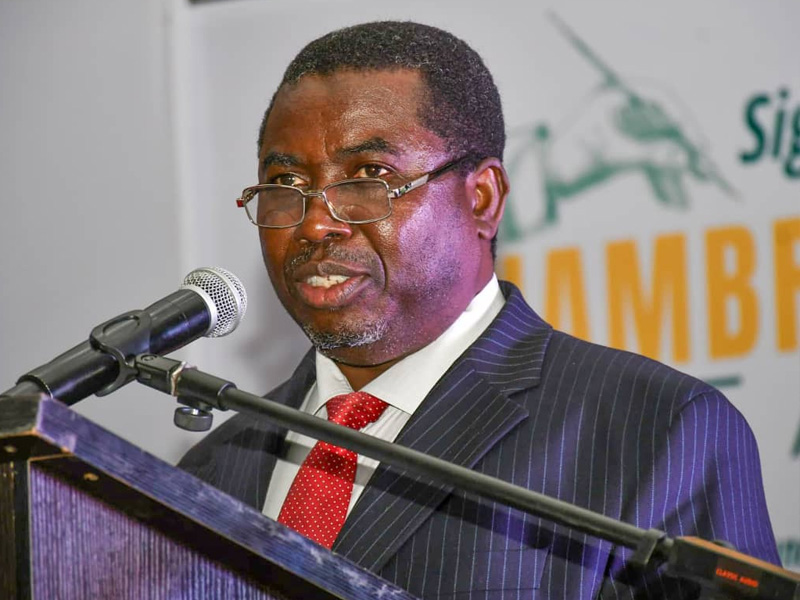
Mr. Mark Ojiah, the Former STC, National Broadcasting Commission, emphasized the vital role of the Office of the Secretary to the Commission (OSTC), noting that it is specifically mentioned in the Act CAP N11 Laws of the Federation of Nigeria, 2004, which established the Commission. He explained that broadcast licensing ensures order, professionalism, fairness, and protection of public interest, since the broadcast spectrum is a scarce public resource. He also highlighted the need for healthy competition, responsible content, and alignment with global best practices while considering Nigeria’s unique environment.
Engr. (Mrs) Victoria Eke examined the importance of engineering and technical assessment in licensing. She explained that frequency allocation must be carefully managed to prevent interference, as spectrum is limited and used by multiple services. She stressed compliance with international standards and the need for clear technical evaluation to guide sound policy decisions.
Ms. Alheri Saidu addressed legal framework, compliance, and risk management. She outlined the processes of licence grant, renewal, variation, and revocation, emphasizing due process, fairness, and defensible decision-making to avoid litigation. She also highlighted the importance of managing compliance risks and learning from comparative regulatory practices.
Dr. Boniface Ekwealor explained that finance is essential to the broadcast licensing process. He outlined the process for licensing, which he pointed out begins with inquiry and purchase of the application form, followed by submission, assessment, and legal checks, after which qualified applications are recommended for approval.
Mr Achara, highlighted the importance of strengthening registry control and file management systems in the National Broadcasting Commission (NBC), explaining that the Office of the Secretary to the Commission (OSTC) is legally responsible for keeping records.
Mr. Matthews, discussed the registry’s control function in managing file creation, movement, access, and disposal. He outlined different filing systems, the file life cycle, and the importance of tracking and tracing files. He also emphasizes custody, accountability, and sanctions, explaining that every file, must have a known custodian.
In conclusion, he stresses that effective file management protects institutional memory, ensures transparency, and reduces legal and operational risks.