 Our Reporter
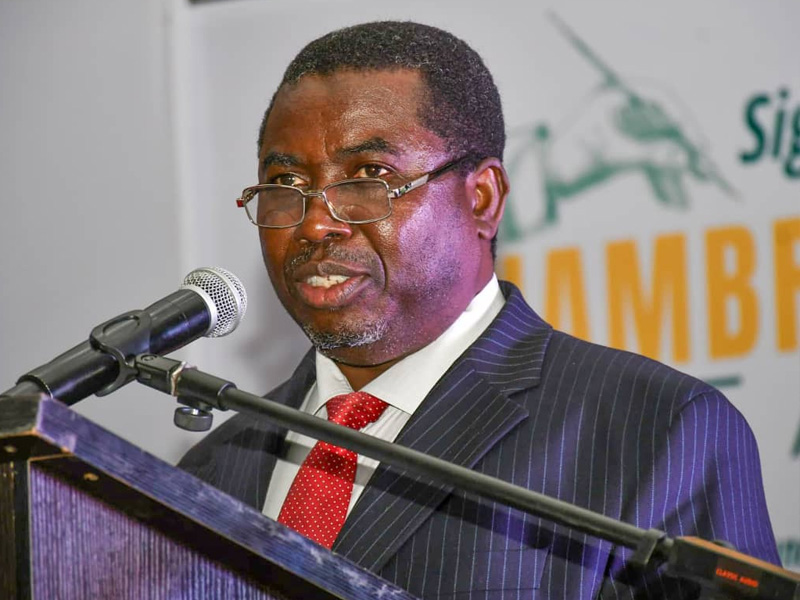
Disu issued the warning on Wednesday in Abuja during his maiden conference with Strategic Police Managers, made up of officers from the rank of Commissioners of Police and above.
He stated unequivocally that any form of compromise by police officers would attract severe sanctions. “Let me state without ambiguity: there will be zero tolerance for partisanship, misconduct, or abuse of authority. Any officer found to have compromised neutrality, violated electoral laws, or acted outside approved rules of engagement will face swift and decisive disciplinary action, including prosecution where applicable,” he said.
The Inspector-General stressed that as the 2027 general elections draw closer, the responsibility of the Police Force would become heightened and non-negotiable, noting that the credibility of the electoral process and the stability of Nigeria’s democracy would largely depend on the conduct of the police.
According to him, as the lead agency for election security management, the police must enforce the law firmly, act impartially at all times, and maintain the highest standards of professionalism. He added that the Force must be seen to be strictly neutral in all electoral engagements and must secure the process before, during and after elections.
Disu said the police have a duty to protect democratic institutions, electoral officials, voters and critical infrastructure, while ensuring that citizens are able to exercise their civic rights freely and peacefully without fear or intimidation.
He further emphasised that crowd management and public order operations must be conducted with restraint, proportionality and strict adherence to human rights and the rule of law, adding that the use of force, where unavoidable, must always be lawful, measured and accountable.
While noting that the Police Force would continue to work closely with the Armed Forces and other security and intelligence agencies, Disu said the Nigeria Police would retain its leadership role in internal security operations with clear command and responsibility.
On personnel welfare, the Inspector-General acknowledged that no police organisation could perform optimally if its officers were neglected. He assured that welfare issues such as housing, remuneration, pensions, healthcare and overall well-being would be a central focus of his administration.
He added that policies and partnerships would be pursued to improve living conditions and provide psychological and emotional support for officers, stressing that improved welfare would boost morale and ultimately enhance performance across the Force.