 Our Reporter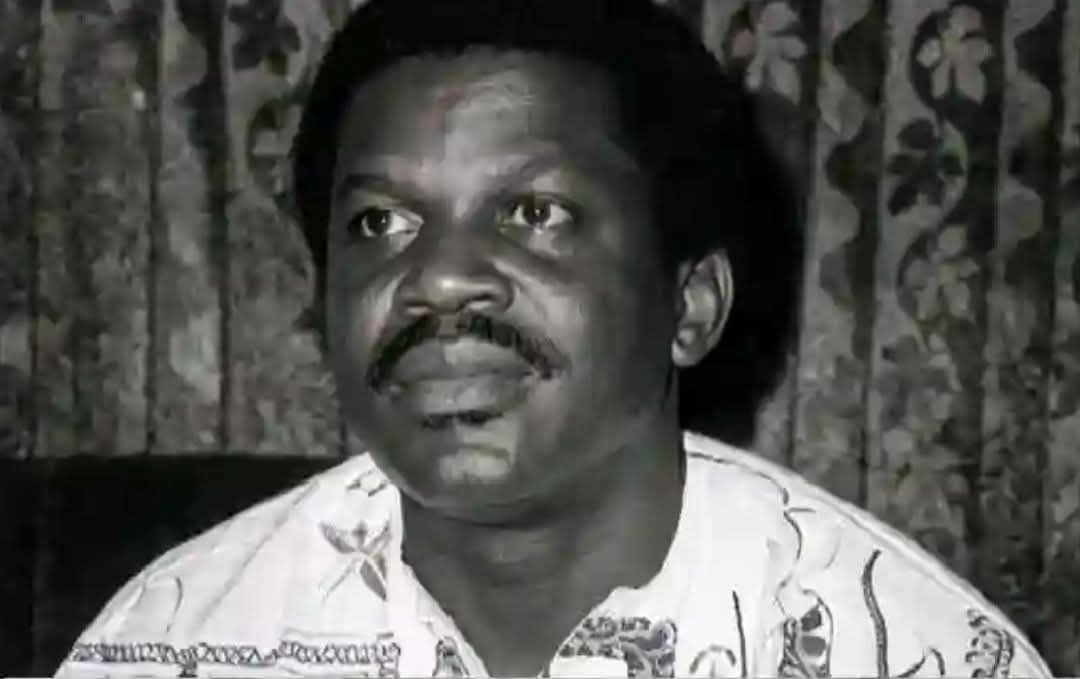
Decades before private broadcasting became commonplace across the country, Anyanwu stunned observers in the 1970s by announcing that he had constructed what he described as a functioning private radio transmitter in his hometown of Mbaise, located in present-day Imo State. Using improvised materials — including wires, recycled tins, and locally sourced substances — he reportedly succeeded in transmitting sound signals within a limited radius, drawing crowds of skeptics, journalists, and engineers eager to witness the unusual demonstration.
To supporters, the achievement symbolized raw ingenuity and the promise of homegrown science. To critics, it raised questions about verification, regulation, and technical standards. Yet even amid skepticism, his work captured national attention and sparked debate about the capacity of Nigerian innovators to develop technology outside formal laboratories.
Any further breakthroughs claimed by Anyanwu only deepened the controversy. He spoke of developing communication devices capable of transmitting both voice and visual signals, portable radio systems resembling walkie-talkies, and locally manufactured industrial products such as specialized paint formulations. In an era when technological infrastructure remained limited in many rural communities, these claims positioned him as both a visionary and a polarizing figure.
Determined to institutionalize his ideas, he went on to establish a small technical training center known as the Ikelly Research Institute in Mbaise. The school reportedly trained dozens of students in practical electronics and mechanical skills during the late twentieth century, providing hands-on education at a time when technical training opportunities were scarce in many parts of the country.
Despite these efforts, Anyanwu’s relationship with official institutions proved turbulent. He repeatedly expressed frustration over what he perceived as bureaucratic obstacles, inconsistent funding promises, and lack of formal recognition. Supporters argued that his unconventional methods made authorities cautious, while critics insisted that scientific claims required rigorous validation before receiving government endorsement.
His disappointment reached a breaking point in the late 1980s, when he publicly voiced deep disillusionment with the system he believed had failed to nurture innovation. In interviews and public remarks, he lamented the absence of sustained support for independent inventors and warned that Nigeria risked losing talented minds to countries better prepared to invest in research and development.
That warning has since taken on renewed significance in a nation still grappling with brain drain and technological dependency. Analysts say the story of Damian Anyanwu reflects a broader pattern in which local innovators struggle to navigate regulatory barriers, funding shortages, and skepticism toward unconventional ideas. Whether viewed as a misunderstood genius or an ambitious experimenter operating outside established frameworks, his experience underscores the fragile ecosystem surrounding scientific progress in developing economies.
When Anyanwu died on July 14, 2020, tributes poured in from community leaders and regional officials who described him as a creative pioneer and a symbol of resilience. Many residents of Mbaise remembered him not only as an inventor but as a teacher who encouraged young people to explore science using whatever materials were available to them.
Today, his legacy continues to provoke reflection about how nations recognize innovation and support independent thinkers. In a global economy driven by knowledge and technology, the unanswered question remains hauntingly simple: how many breakthroughs are lost when unconventional minds are left to struggle alone.
For Nigeria, the life of Damian Anyanwu stands as both inspiration and warning — a reminder that the future belongs to countries willing to invest in their dreamers before frustration turns promise into silence.