 Broadcasters
Whether you like him or not, studying President Bola Ahmed Tinubu’s political career is basically studying applied Nigerian power politics in slow motion. There are patterns there, and if you work in communications or public affairs, you ignore them at your own peril.
Here are a few lessons that stand out.
1. People first, elections later.
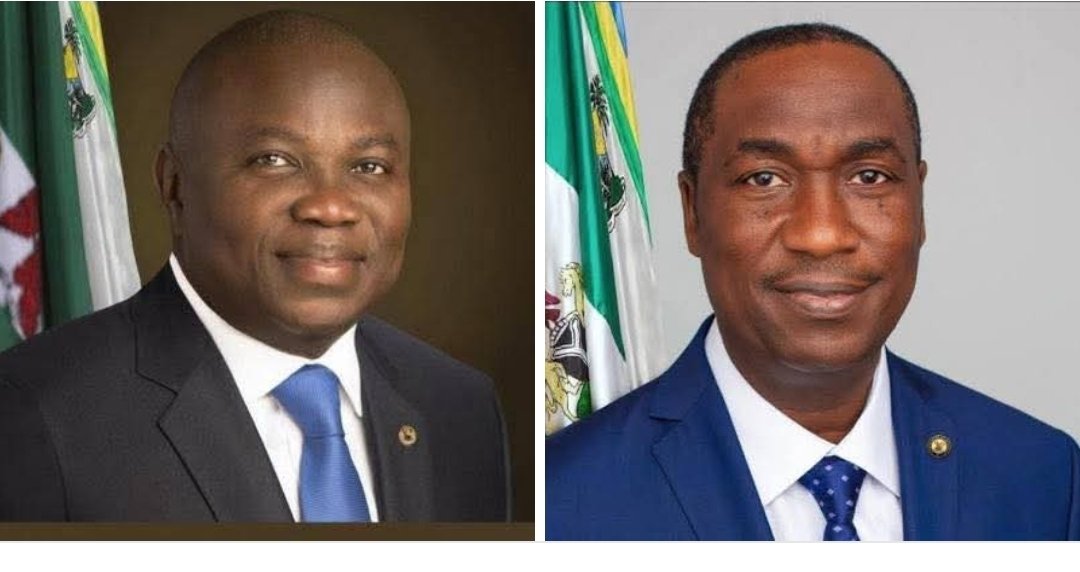
Many politicians organise for campaigns; he organised for continuity. Long before national ambition, he invested in people – local actors, commissioners, legislators, media hands and professionals who later became leaders in their own right. You want names? Babatunde Fashola moved from Chief of Staff to Governor, Akinwunmi Ambode rose through the state administrative system to Governor, and Babajide Sanwo-Olu emerged later from the same political network. At the federal level, figures such as Rauf Aregbesola who later went rogue and many ministers and legislators also passed through that ecosystem.He did not just gather supporters, he produced a political alumni – a network of people whose own careers became tied to the survival of the system.
Lesson: A movement that cannot produce leaders cannot produce power because while endorsements are temporary, protégés are permanent.
2. Secure a base before seeking a nation.
After 2003, he focused on consolidating a dependable regional base instead of scattering energy across the country. That base became political headquarters, economic leverage and negotiating strength in national politics.
Lesson: In Nigeria, national influence follows regional control, not the other way round.
3. Structure beats popularity
Crowds are impressive but structures are decisive. Delegate systems, party machinery, internal contests and organisation outlast public excitement.
Lesson: Popularity helps you win a moment, structure helps you survive cycles.
4. Coalition building is real politicsThe merger that created a new national governing coalition was not spontaneous. It required negotiations across multiple political traditions and personalities, former opposition blocs, regional power centres and defectors from an incumbent ruling party. Figures like late President Muhammadu Buhari, Chief Bisi Akande, former VP Atiku Abubakar, Sen. Rabiu Kwakwanso, Sen. Bukola Saraki and others from different ideological backgrounds were brought into one platform.
Lesson: No single bloc can win elections nationally alone. But coalition must be with politicians with different strengths not spentforces. For instance, late PMB came to the table with his famed 12 million voters, the n-PDP Governors came with a mix of strengths.
5. Patronage is system maintenance.
In our politics, patronage is not only reward but also loyalty insurance and conflict management. Allies were placed where they could grow influence and defend shared political interests.
Lesson: Shared benefit produces shared defense of the system.
6. Think in decades, not election cycles
Losses happened, alliances shifted and strategies were adjusted over time. The pursuit of higher office was treated as a sequence, not an event.
Lesson: Strategic patience is a political asset. The presidency is a culmination of a long political sequence not a sudden ambition. Keep the ambition aside if the climate doesn’t permit.
7. Public sentiment fluctuates, but political positioning sustained relevance.
There were periods of intense public criticism and political opposition, yet relevance was maintained through party conventions, endorsements, candidate negotiations, court processes and internal political bargaining. Even when not on the ballot, he remained present in decision making structures.
The broader lesson is this: elections are events, power is an ecosystem. Those who endure in politics are not always those who rely only on popularity; they those who patiently build networks, structures and alliances that outlive individual, structureless campaigns.